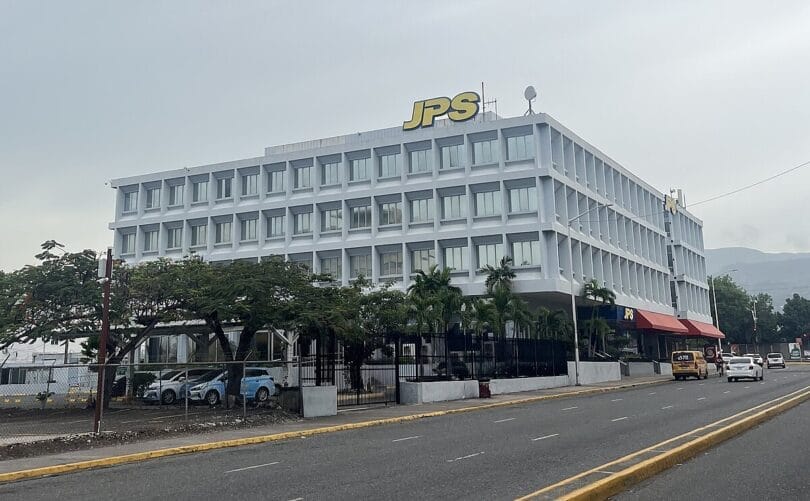

When news broke that JPS customers 7% bill increase would hit December statements, many Jamaicans felt a familiar mix of frustration and resignation. After months of weather disruptions, fuel instability, and slow rebuilding, the idea of another monthly expense creeping upward feels like a blow at the worst possible time.
But behind that seven per cent rise is a complicated storm of fuel shortages, infrastructure strain, and regulatory intervention that is still unfolding.
How Hurricane Melissa Triggered the JPS Customers 7% Bill Increase
When Hurricane Melissa tore through the region, it didn’t just damage property. It disrupted Jamaica’s natural gas supply chain, forcing JPS to switch to more expensive fuel sources. This single shift sent generation costs climbing almost overnight.
At the same time, electricity sales dropped sharply—by almost 30 per cent—as thousands of customers lost power or reduced usage during the storm and its aftermath. With less consumption to spread fixed fuel costs across, the Fuel and IPP charges rose for everyone else.
The result: a seven per cent adjustment that shows up on December bills for electricity used in November.
Why Regulators Delayed Part of the JPS Customers 7% Bill Increase
The Office of Utilities Regulation understood what a sudden spike could do to already-stretched households. So instead of allowing the full increase to land at once, the OUR approved a deferral mechanism.
Only a portion of the increased fuel costs will appear now.
The rest will be recovered gradually over the coming months.
This approach is meant to prevent bill shock, especially as families are still dealing with the financial ripple effects of Hurricane Melissa.
What the Increase Looks Like for an Average Household
For a typical residential customer using 165 kWh monthly, the change adds roughly $655 to a bill that previously hovered around $9,000.
It’s not catastrophic, but it is noticeable—especially when paired with rising food costs, transportation pressures, and ongoing recovery efforts across the island.
Why Stabilizing Electricity Costs Could Take Six Months
The OUR has warned that Jamaica’s electricity sector won’t normalize immediately. Between disruptions at fuel terminals, infrastructure repairs, and unpredictable consumption patterns, stabilization may take up to half a year.
During this period, JPS must consult with the regulator before adjusting fuel and IPP charges further. The goal is steady recovery, not sudden financial shocks.
The Bigger Picture: What This Means for Households
The JPS customers 7% bill increase is more than a line item on a statement. It’s a mirror showing the vulnerability of Jamaica’s energy system, especially when natural disasters collide with rising global fuel prices.
It’s also a reminder of how closely our daily lives are tied to forces far beyond our control—from hurricanes to energy markets to regulatory safeguards trying to soften the blow.
But even in the frustration, there is a small comfort: the increase could have been much worse, and the regulator’s intervention bought breathing room when Jamaicans need it most.


