Everyone Thought They Were Clean Until Someone Asked: What is the best thing to bathe with?
The answer seems obvious if you are Jamaican: rag (washcloth), loofah, whatever, as long as you have something in your hands. But someone said they have never used anything but their hands.
Yes. THEIR HANDS!!!!
So this argument blew up as everyone proceeded to educate the other on not the soap. Not the water temperature. But on the tool.
Washcloths! Loofahs! Bath Sponges! Brushes! Sand! Hands!!!!!
What followed was chaos. People were shocked. Some were defensive. Others were genuinely confused. Because for many, bathing is something you never question. You do it the way you were taught and assume everyone else does the same.
Turns out, they do not.
The Hidden Reason This Bathing Debate Feels So Personal
This argument is not really about hygiene.
It is about identity.
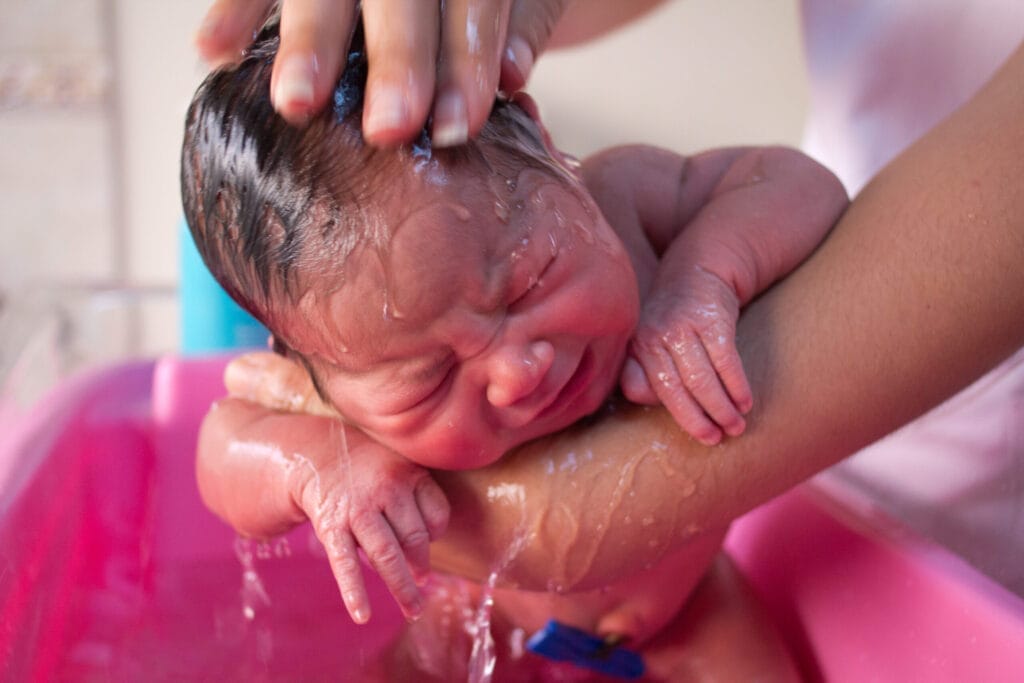
JoséMa Orsini, CC BY-SA 2.0
How you bathe is learned behaviour. It is taught by parents, shaped by culture, and reinforced by community norms. When someone says your method is wrong, it feels like they are questioning how you were raised.
That is why people are not just disagreeing. They are reacting emotionally.
And that is why figuring out the best thing to bathe with suddenly feels so serious.
Washcloths: The Tool Many Cultures Never Questioned
For millions of people around the world, washcloths are standard.

Washcloths physically remove dirt, oil, sweat, and dead skin cells. They do more than spread soap. They actually clean.
Used properly and washed regularly, they are hygienic and effective.
This is why many hygiene experts quietly point to washcloths as the best thing to bathe with for everyday use.
The catch is simple. A washcloth must be clean. Reusing a damp cloth repeatedly defeats the purpose.
Loofahs Look Effective Until You Learn What Lives Inside Them
Loofahs are popular because they foam well and feel satisfying on the skin.

But loofahs stay damp. Their porous structure traps moisture. That moisture creates a breeding ground for bacteria and mold.
Unless loofahs are dried completely and replaced often, they can work against hygiene instead of helping it.
This is why many professionals hesitate to call loofahs the best thing to bathe with, despite how common they are.
Using Hands Only Sounds Gentle But Is It Enough?
Using hands alone is often defended as being gentle or natural.
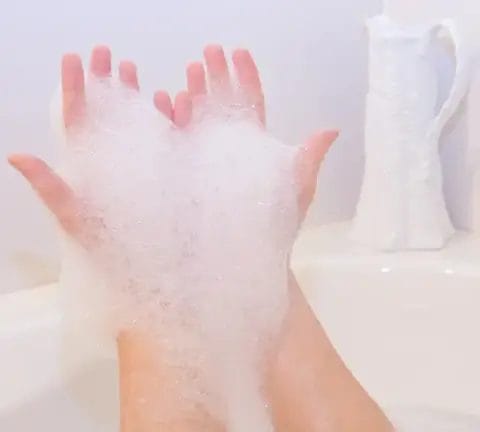
Hands are fine for sensitive skin. They help apply soap without friction.
What hands do not do is exfoliate.
Dead skin remains on the surface. Odor causing bacteria cling to it. Over time, the skin can feel dull or less fresh.
For most people, hands alone are not the best thing to bathe with if the goal is thorough cleanliness.
The Soap Bar Alone Is Not the Tool People Think It Is

Soap alone is not a cleaning tool. Soap is a chemical agent designed to loosen dirt, oil, and bacteria from the skin. What it cannot do is remove them without friction.
When a soap bar is rubbed directly on the body or spread with hands, much of the loosened buildup stays on the skin or is only partially rinsed away. This is why soap works best when paired with a tool that physically wipes the skin clean.
Across cultures and generations, soap was never meant to work alone. It was always meant to work with something that scrubs.
Bath Sponges: Soft, Familiar, and Often Misunderstood
 Bath Sponges are common in many homes and are often seen as a gentler alternative to washcloths.
They create rich lather and feel soft on the skin, which makes them appealing for daily use.
However, sponges absorb large amounts of water and can stay damp for long periods. This creates a similar hygiene issue to loofahs if they are not rinsed thoroughly and allowed to dry completely.
While bath sponges can be effective, they require strict care to remain clean. For that reason, many experts hesitate to label them the best thing to bathe with unless they are replaced often and properly maintained.
Brushes: Powerful Tools That Demand Respect
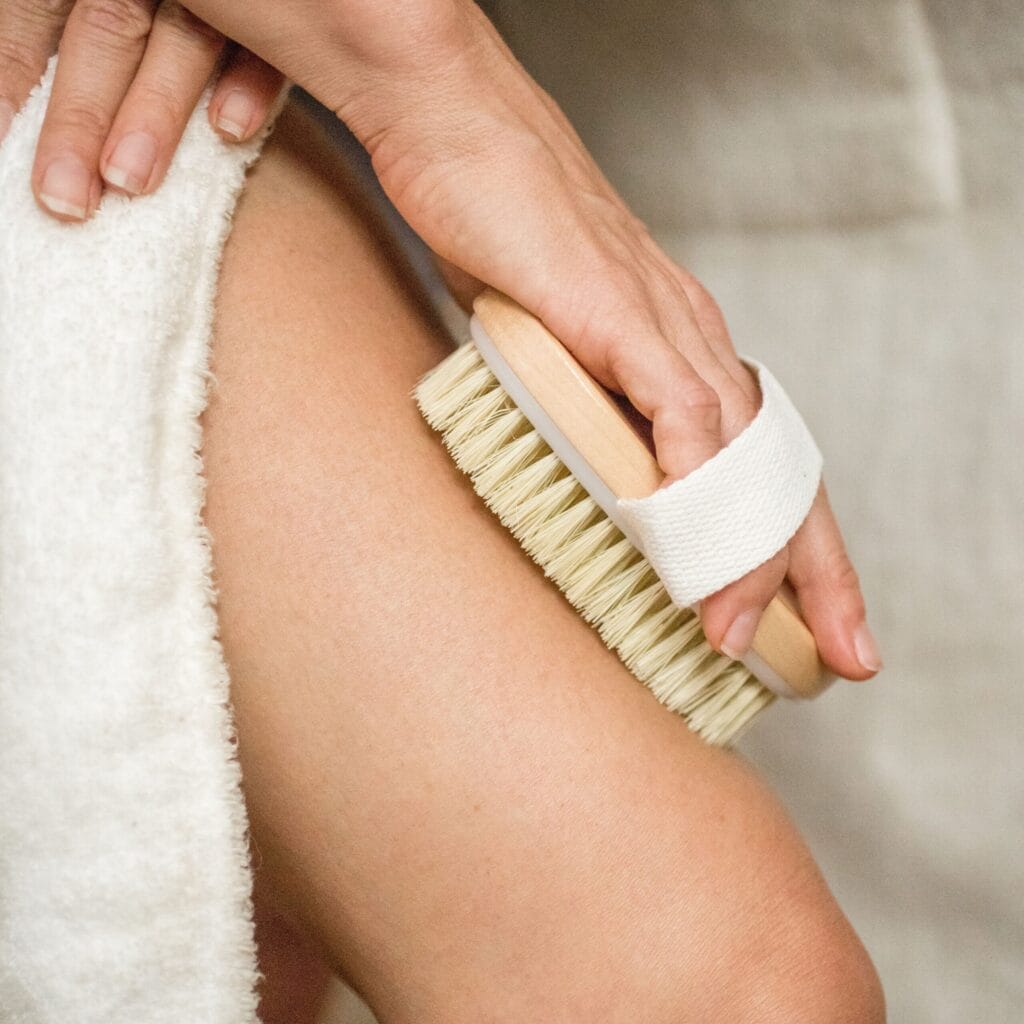
prettyfarmgirl.com/
Body brushes are used in many cultures for exfoliation and circulation, especially in dry brushing routines.
They are designed to remove dead skin aggressively and stimulate the surface of the body.
When used occasionally, brushes can leave the skin feeling smooth and refreshed.
The problem comes with frequency. Daily brushing can be too harsh for most skin types and may lead to irritation or micro damage.
Brushes prove that exfoliation matters, but they also show that stronger does not always mean better. This is why brushes are rarely considered the best thing to bathe with for everyday showers.
Jamaicans Never Argued About This and Here Is Why
In many Jamaican and Caribbean households, this debate feels strange.
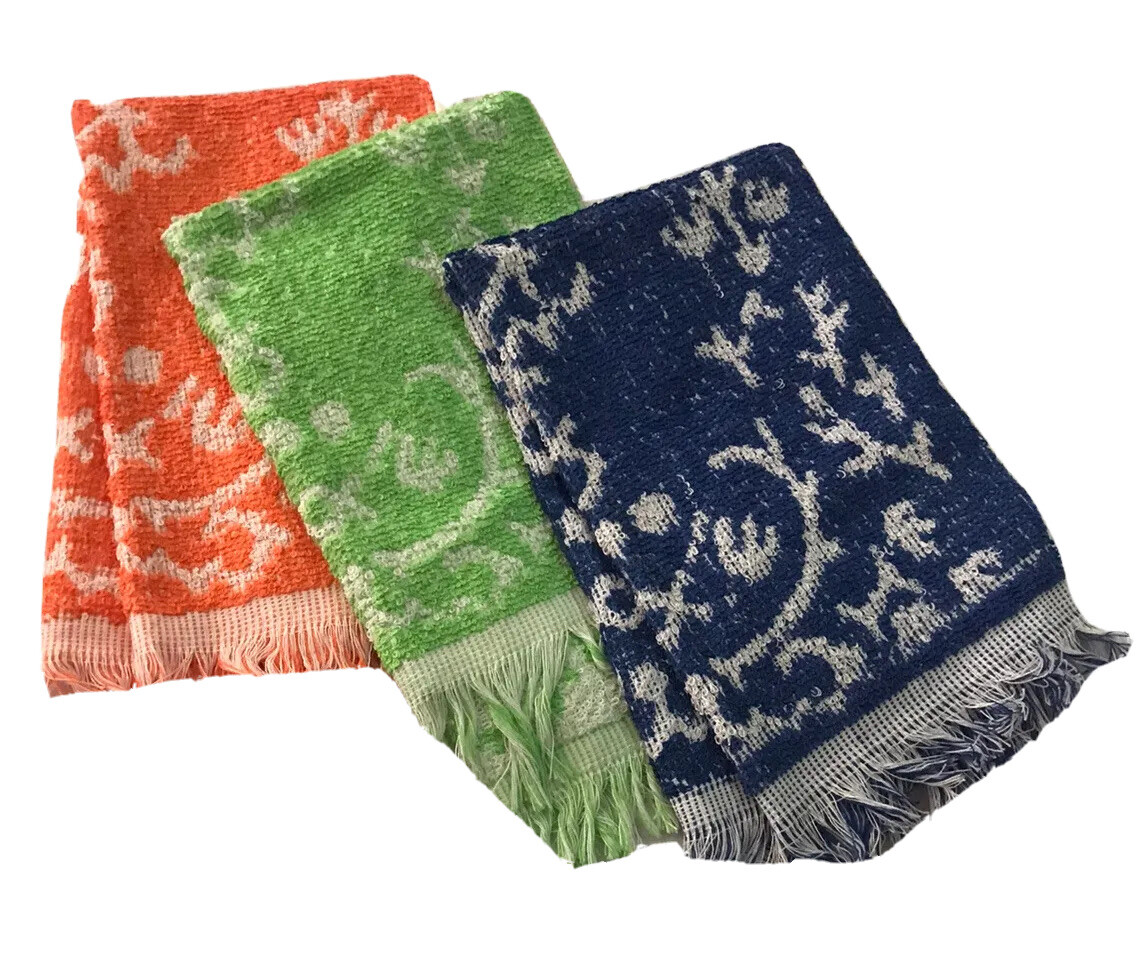
Washcloths, often called rags, are non-negotiable. Children are taught early that bathing means scrubbing. Clean skin is not optional. It is expected.
Using only hands is often seen as incomplete. Loofahs are viewed with suspicion or dismissed as unnecessary.
Cleanliness in Jamaican culture is tied to pride, respectability, and presentation. That mindset naturally aligns with the idea that a washcloth is the best thing to bathe with.
African, Asian, and Latin Cultures Quietly Agree

In many Asian cultures, exfoliation is built into bathing routines. Korean exfoliating towels and Japanese bathing practices focus on removing buildup before relaxation. Clean skin is expected to feel smooth and renewed.
Throughout Latin America, washcloths and sponges are common. Many families teach children that soap alone is not enough.
Across continents, cultures reached the same conclusion long before social media debates existed. The best thing to bathe with is something that actually removes buildup.
The Surprising Truth Nobody Wants to Admit
This debate exposed a cultural blind spot.
Some people were never taught to exfoliate their bodies.
Not because they are lazy. Not because they do not care. Simply because their culture did not emphasize it.
Once that realization clicks, the arguments make sense.
People are not disagreeing about cleanliness. They are defending the way they were raised.
So What Is the Best Thing to Bathe With After All?
For most people, the answer is simple.
A clean washcloth, especially one that exfoliates, used properly and washed regularly, offers the best balance of hygiene, skin health, and cultural wisdom.
Loofahs require careful maintenance. Hands alone often fall short.
Across science, culture, and lived experience, the washcloth quietly stands out as the best thing to bathe with.
The Mic Drop Nobody Expected
This was never really about soap.
It was about realizing that what feels normal is not universal.
Sometimes the internet argues for weeks just to rediscover what many cultures already knew.
Clean is not just a feeling.
Clean is a practice.