

The Silent Crisis Buzzing Across Jamaica Right Now
The Jamaica bee population is facing a quiet emergency in the aftermath of Hurricane Melissa. While fallen trees, damaged homes, and flooded roads are visible reminders of the storm, what happened to the island’s bees is less obvious but just as serious.
Across rural and urban communities, bees have been displaced as flowering plants were destroyed, leaving them scrambling for food. Experts say what happens next could affect every Jamaican kitchen.
Why the Jamaica Bee Population Matters More Than Ever
Bees are not just honey producers. They are the backbone of food security. Globally, bees are responsible for pollinating roughly one third of the food people eat. In Jamaica, that includes fruits, vegetables, and crops that many families rely on daily.
According to agricultural officials, damage to flowering plants caused by Hurricane Melissa has sharply reduced natural food sources for bees. When bees struggle, crops struggle too.
This makes the recovery of the Jamaica bee population a national concern, not just an environmental one.
What Jamaicans Are Seeing After the Storm
In many communities, residents have reported seeing bees swarming around homes, yards, and debris. While this can feel alarming, experts stress that these bees are not aggressive.
They are simply hungry.
Senior Plant Health and Food Safety Officer Francine Webb explained that bees are desperately searching for food after losing access to flowers. She urged residents not to panic or harm them, noting that their presence is a sign of survival, not danger
A Simple Action That Can Help Save the Jamaica Bee Population
One small act can make a meaningful difference.
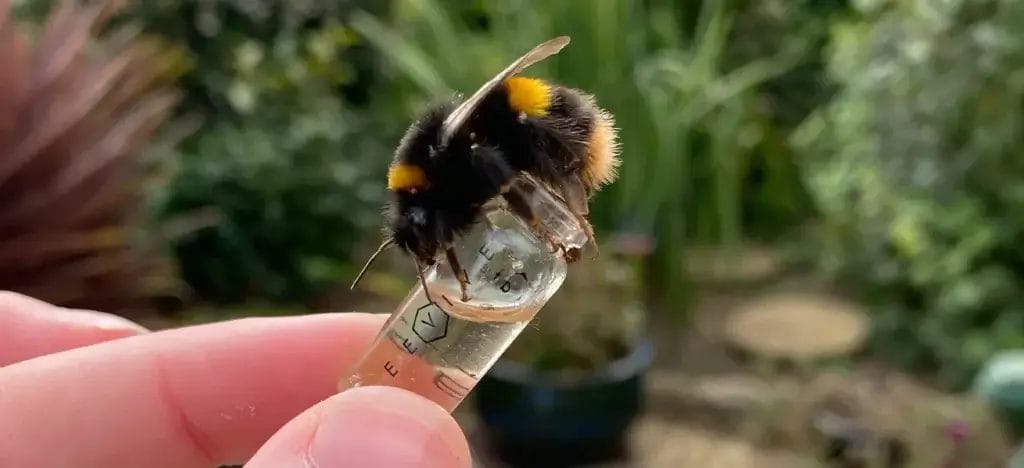
Experts say Jamaicans can safely help bees recover by placing shallow containers with a sugar and water solution outside. Small saucers or disposable plates work well. This temporary food source helps bees regain strength while vegetation slowly recovers.
The advice is simple:
-
Do not swat or spray bees
-
Avoid destroying swarms
-
Provide sugar water if flowers are scarce
These small steps can support the Jamaica bee population during this critical period.
Bees Are Key to Jamaica’s Comeback After Hurricane Melissa
Agricultural experts emphasize that bees will play a major role in Jamaica’s post-hurricane recovery. As pollinators, they help revive crops, restore food supplies, and stabilize farming communities impacted by the storm.
Protecting the Jamaica bee population now means faster agricultural recovery later. Without bees, farmers face lower yields, higher food prices, and longer recovery times.
This Is Bigger Than Honey
The story of the Jamaica bee population after Hurricane Melissa is about resilience. It is about how small creatures support an entire food system. It is also about how everyday people can help nature heal after disaster.
As the island rebuilds, protecting bees may be one of the most powerful and overlooked ways Jamaicans can secure their future.
Sometimes recovery starts with something as small as a saucer of sugar water.


