
Jamaica is currently in negotiations to renew its medical cooperation agreement with Cuba, a partnership that has been a cornerstone of the island’s healthcare system for more than five decades. The talks come as the United States intensifies pressure on Caribbean nations to abandon their medical partnerships with Cuba.
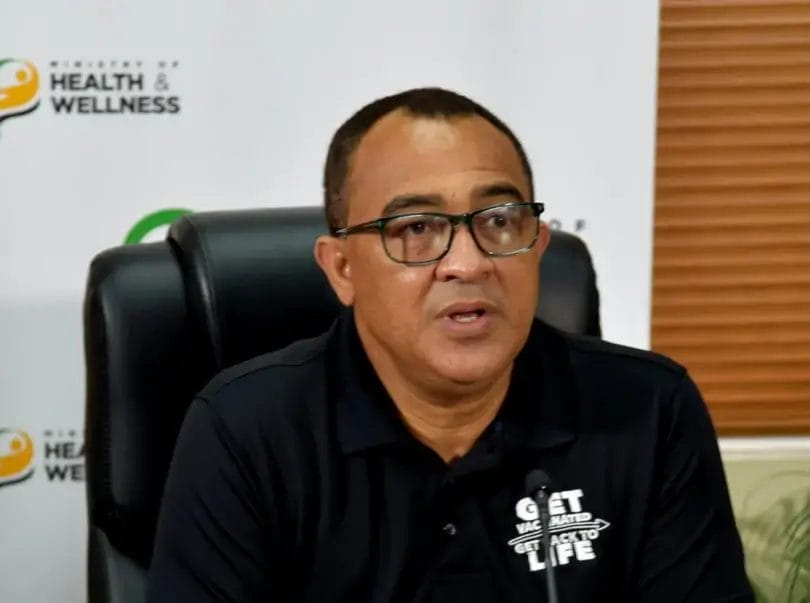
Health and Wellness Minister Christopher Tufton confirmed that while the previous memorandum of understanding governing the programme has expired, nearly 300 Cuban doctors and medical specialists remain working throughout Jamaica under their existing contracts.
“The programme is still fully operational. Cuban healthcare workers are still here providing essential services,” Tufton told The Gleaner. “We’re currently negotiating a new agreement since the previous one has expired. These discussions are comprehensive and ongoing.”
Tufton acknowledged that Jamaica has made specific requests as part of the renegotiation process, which may impact whether a final agreement is reached, though he declined to reveal what those requirements are.
“We’re waiting to see how these negotiations conclude,” he said. “In the meantime, Cuban medical services continue without interruption—the Cuban Eye Care Programme, doctors working in our hospitals and health centers across the island.”
A Five-Decade Partnership
Jamaica’s medical cooperation with Cuba dates back over 50 years and has become integral to the country’s public healthcare infrastructure. The partnership has enabled hundreds of Jamaican students to train as doctors and dentists in Cuba through government scholarships since the 1970s, with many of these graduates now serving communities across the Caribbean.
Currently, Cuban medical professionals work in hospitals, rural health centers, and specialized programmes throughout Jamaica, helping to address critical healthcare worker shortages, particularly in underserved areas.
Foreign Affairs Minister Kamina Johnson Smith emphasized the programme’s importance in a March 2025 statement, describing it as “vital” to Jamaica’s healthcare system. She noted that internal reviews of the partnership had already begun before international attention on the matter intensified.
Washington Escalates Pressure
That international attention has grown significantly under the current U.S. administration, which has accused Cuba’s overseas medical missions of constituting forced labor and human trafficking. Washington claims that Cuban medical professionals working abroad are exploited by the Cuban government, with their salaries largely going to the state rather than the workers themselves.
The U.S. has backed up these accusations with concrete actions, implementing visa restrictions against government officials in Caribbean nations participating in Cuban medical programmes. In 2025, Grenada’s Finance Minister Dennis Cornwall was among those targeted with such sanctions. Similar diplomatic pressure has been reported in Antigua and Barbuda, and St Kitts and Nevis.
Last Friday, the U.S. Embassy in Barbados issued a statement urging Caribbean countries to seek “alternative methods” for recruiting healthcare workers, intensifying Washington’s campaign against Cuba’s medical brigade system.
“The United States is committed to holding accountable Cuban regime officials, foreign government officials, and others for facilitating forced labour in Cuba’s medical missions,” the embassy stated on Facebook.
“By participating in these programmes, despite known human rights abuses, foreign governments become complicit in the regime’s tactics. Their actions directly contribute to the abuses of Cuban workers. There are alternative methods available for Caribbean nations to recruit foreign medical workers and ethically meet the healthcare needs of their people.”
Caribbean Leaders Reject U.S. Claims
Regional leaders have responded forcefully to these accusations, firmly defending their partnerships with Cuba and rejecting characterizations of the programmes as exploitative.
Barbados Prime Minister Mia Mottley delivered perhaps the strongest rebuke last year, declaring she would rather forfeit her U.S. visa than abandon Barbados’ partnership with Cuba. She flatly rejected claims that the programme amounts to human trafficking.
Saint Lucia’s Prime Minister Philip J Pierre recently revealed that the U.S. had directly told his country to stop sending nationals to study medicine in Cuba—though Washington later stated it had not “recently” discussed this issue with St Lucia, creating some confusion about the nature of the pressure being applied.
Jamaica has similarly stood by the programme, with government officials emphasizing its critical role in addressing healthcare gaps and its decades-long track record of training Caribbean medical professionals who continue serving their communities.
What’s Next?
As negotiations between Jamaica and Cuba continue, the outcome remains uncertain. Minister Tufton indicated that Jamaica’s requests as part of the renegotiation could potentially complicate reaching a final agreement, though both countries appear committed to maintaining the partnership in some form.
For now, Cuban medical workers continue providing essential healthcare services across Jamaica while diplomatic discussions proceed on both the bilateral and regional levels.
The situation reflects broader geopolitical tensions in the Caribbean, where nations are increasingly finding themselves caught between maintaining beneficial partnerships and managing pressure from Washington. How Jamaica navigates these competing interests in finalizing its new agreement with Cuba will be closely watched by other Caribbean nations facing similar challenges.


