Think Plant-Based Meals Are Healthy? The Hidden Heart Risk
Plant-based meals heart risk is not something most people expect to hear. Freezers stocked with vegan pizzas, meatless burgers, and plant-based ready meals often feel like a shortcut to better health. The packaging promises clean eating, heart health, and a guilt-free lifestyle.
But new research suggests that some of these foods may quietly increase the risk of heart attacks.
A large long-term study is challenging the belief that all plant-based meals are automatically good for the heart. The findings point to one critical factor that matters more than whether food comes from plants or animals: how much it has been processed.
The Study That Changed the Conversation on Plant-Based Meals Heart Risk
Researchers followed more than 63,800 middle-aged adults in France for over nine years as part of the NutriNet-Santé study. The results were published in The Lancet, one of the world’s most respected medical journals.
Participants recorded detailed dietary information, allowing researchers to separate whole, minimally processed foods from ultra processed products using the NOVA classification system.
The conclusion was striking.
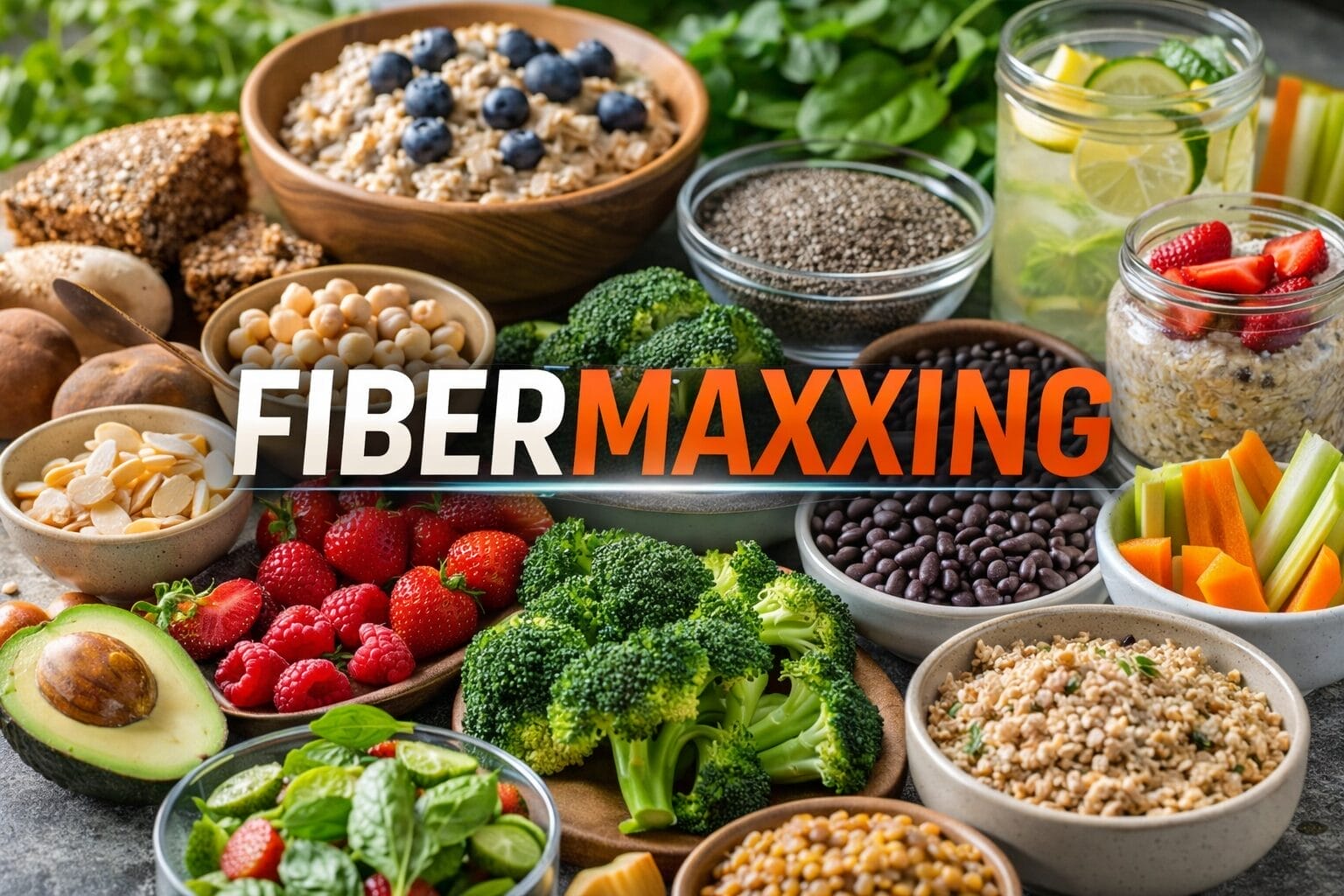
Plant-based diets protected the heart only when they were built around whole foods such as vegetables, fruits, grains, and legumes.
Once ultra processed plant-based foods dominated the diet, the heart benefits disappeared.
How Ultra Processed Plant-Based Foods Increase Heart Risk
People whose plant-based meals relied heavily on ultra processed foods faced:
-
A 46 percent higher risk of coronary heart disease
-
A 38 percent higher risk of overall cardiovascular disease
These foods included ready-made meals, packaged soups, supermarket bread, and heavily dressed prepared salads. Despite being labeled vegan or plant-based, they often contained high levels of salt, refined starches, additives, and industrial oils.
This is where plant-based meals heart risk becomes real. The label alone did not protect participants from heart disease.
Whole Foods Made the Difference
In contrast, participants who followed a largely unprocessed plant-based diet were 44 percent less likely to develop coronary heart disease.
Even more surprising, people who ate some animal products but avoided ultra processed foods had no greater heart risk than those eating a healthy plant-based diet.
The findings suggest that food quality matters more than whether a meal is vegan or omnivorous.
Lead researcher Clémentine Prioux explained that reducing animal products is not enough on its own. Minimally processed plant-based foods are what truly support cardiovascular health.
Why This Matters More Than Ever
Ultra processed plant-based products are becoming increasingly popular, especially in countries where convenience foods dominate supermarket shelves. Many consumers assume that swapping meat for plant-based alternatives automatically improves heart health.
This study shows that assumption can be misleading.
Ultra processed foods, whether plant-based or animal-based, were consistently linked to higher heart risks. In fact, ultra processed animal foods were associated with even greater danger.
The Real Takeaway on Plant-Based Meals Heart Risk
The message from researchers is clear.
Plant-based meals heart risk depends less on marketing labels and more on processing. A vegan logo does not cancel out excessive additives, salt, or industrial ingredients.
Heart health improves when diets focus on real, recognizable foods. Vegetables, beans, grains, and fruits still matter more than convenience, even when convenience comes wrapped in a plant-based promise.
In the end, eating for your heart is not about choosing sides between plants and animals. It is about choosing foods that are closer to nature and farther from the factory.